Connections from past and present are always a recurring theme in our history. A problem in our history that always happens to be a problem is the treatment of women and the lack of choices and power over one’s own body they have. Women have always been put in a position of submission by men, in lectures throughout the quarter we have discussed the implications of women in various time periods and cultures. Recently our focus has been on Iranian women and their lack of control over how they should dress their own bodies. We see this lack of choice for women all across the world even in our culture in the U.S. were women reproductive rights are on the line. Though U.S. and Iranian culture are completely different they both show the over step of government into women’s personal lives and how these choices made by men restrict our freedoms.
From my understandings of lecture and present knowledge of Iranian women’s dress has and still is under the control of the government and is enforced by officers. In their culture Iranian women must conceal their bodies in loose fitting clothing that cover their arms and all of their legs down to their ankles. Though for many years women had become accustomed and comfortable with their required dressings, in 1936 the Pahlavi dress code was enforced which banned women from wearing their normal required dressings and chador. This enforcement was thought to help make the nation become more progressive but it’s safe to say it was to fall into the western ideals that ultimately we’re trying to push out Islamic influences on the country.
Though these dress codes seem that they would’ve gave women more freedoms it did the opposite for most since most women had already grew comfortable with there dressings being forced to expose themselves was something that they didn’t want to do. Because of these dress codes most older women didn’t leave the house which shows how these forms of laws in fact do restrict women’s freedoms. Though it might seem to outsiders and people who don’t understand the culture that being able to wear western styled clothes is a freedom for these women it wasn’t because of their association and comfort of their regulated dressings. The fact of the matter is that women who aren’t given the right to choose for themselves will feel subjugated to how laws and men want the women of their society to behave and look.

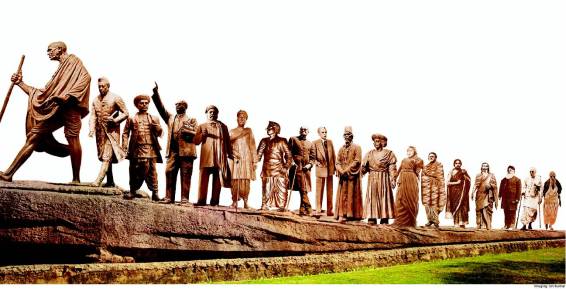 From lectures we were told of the importance language plays in the resistance and building of Empires. But from that we were able to realize that history plays a big role in the resistance of strengthening of an empire, both lectures Chaturvedi and O’Toole were able to shed light on the importance history has on empire. Yet both lectures had a different outlook on the responsibilities that history writers have to the world. HIstory writing is not only a way to release your burdens the way Nehru saw it but a way to fulfil the patriotic historians call that is vital is when resisting Empire.
 Title of arms granted to Gonzalo Uchu Hualpa and Felipe Tupac Inca Yupanqui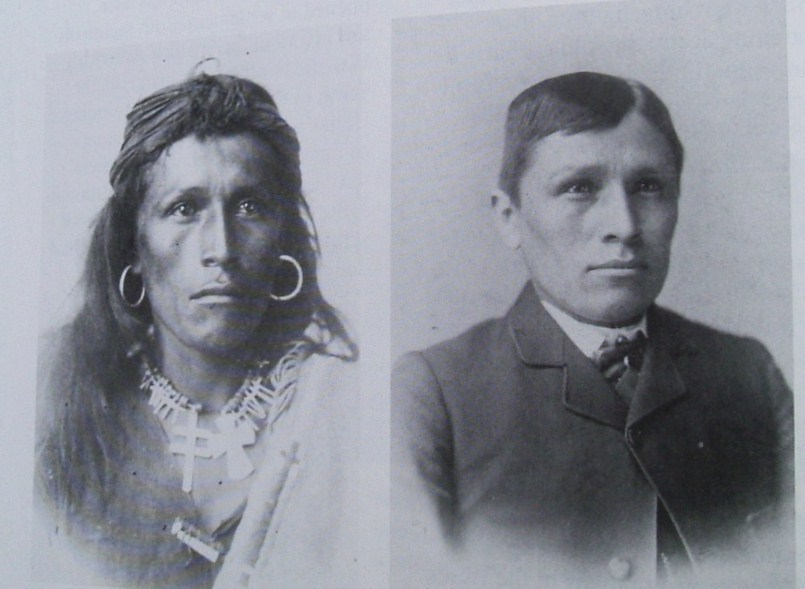
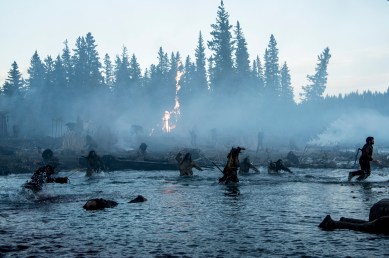 In this scene we have the natives facing off against the Europeans trying to take the pelts that the fur traders have. This shot in the film is picturesque like so that calls for some visual analysis relating to how the racial binary of setting the Europeans against the Natives harms nature going against the peace and beauty that nature holds. In the picture viewers can see the trees in the background being illuminated, highlighting nature’s beauty, and how harmonious it is. The binary of this racial divide is shown through the flames that are setting off in the middle of the trees, showing how disruptive and chaotic this fighting is to nature. I also think it’s kind of interesting to note that in this picture everyone seems to
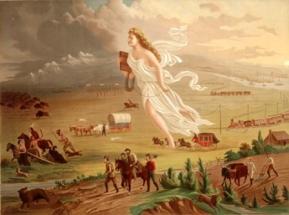 be going to the right in a frantic way. We have Natives chasing a European man, throwing their weapon in him but viewers are able to see a completely different narrative in the painting
