When thinking optimistically about humans we think of beings put in the world to thrive and flourish into the best person they hope to be. Human essence to people is basically who a person is. When examining the question, how are thinking about ruins and human essence related? We have to understand that ruins, is not just the remains of ancient buildings but that there’s also something symbolic and metaphorical about them especially when being juxtaposed to the human essence.
Ruins, they not only represent and explicitly show you the falling of an empire and the s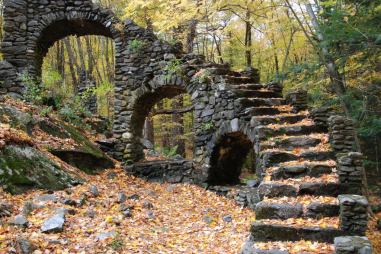 ociety that once was. They also show us how ruins can represent the death of society and a metaphor for the actually human being. To really understand how ruins can shadow a human body you’d have to closely examine the death of a human and the collapse of an empire. Like a human body, empires I believe were not meant to always last forever, like a human body they have a expiration date which might not be as obvious but still something foretelling since they were created by imperfect humans. Empires social and political structures will collapse just like a human’s organs will start to fail. When a person dies all that is left of them is their bones just like when a empire is destroyed all that is left of it is its ruins, the structures with the strongest support will last just like some bones that you see in museums. Now that the juxtaposition of human bones and ruins has been explained, human essence and how its relation to ruins go hand and hand can become simplified.
The human essence of someone like stated before to me is relatively who someone is, and what they did with their life. When referring to ruins it is safe to say that they are the remains of what a human achieved and created, since empires were ruled by one supreme ruler and each one was different and varied by ruler, we truly get to see what kind of person a ruler was from their empire. Now we can see the relation between humans and empires because like people who are imperfect and always striving to become better, so are empires.
Empires are human projects and are forged by imperfect people trying to create something that will outlast themselves. Human essence and ruins have a direct relationship because they both deal with what humans have left behind in this world, ruins are the literal object left behind human when they’re empires “die”.
Finally tying together the main point of this blog, the relationship between human essence and ruins go hand in hand. The human essence is what a person leaves behind and a ruin is the remnants of a fallen society that was created by people. And the metaphorical aspect of this idea was that ruins shadow human bodies in their last moments because like humans empires collapse “die” and the natural process is similar to a empires because the structure that formed that being shut down. Which is important to recognize when answering the question how empires and human essence relate? Because like the human body ruins are made to eventually fall, and human essence is what people leave behind and in this case that is the ruins because those are buildings and structure of a society created by humans that fell apart.

